Semiconductor PanelFritzchensFritz, CC0, via Wikimedia Commons By Katie Braman On February 12, 2026, the United States and Taiwan finalized a new trade agreement between the two nations. This agreement brings along major tariff reductions, lowering the U.S. tariff rate for imports from Taiwan to 15% from the previous 20,% as well as committing Taiwan to a schedule for lowering or eliminating tariffs on nearly all US goods. Taiwan... Continue Reading →
Bangladesh’s 2026 Election: a Pivotal Moment for Democracy
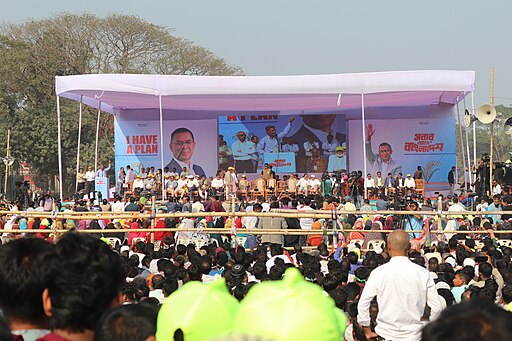
Gathering for Tarique Rahman, 2026 Frameofashik, CC BY 4.0 https://creativecommons.org/licenses/by/4.0, via Wikimedia Commons By Noah Eubanks Bangladesh’s 2026 election is a pivotal transition to democracy following the Gen-Z protests that forced leader Sheikh Hasina into exile in 2024. Tarique Rahman’s Bangladesh Nationalist Party (BNP) won by a landslide on Thursday, positioning Rahman to become the... Continue Reading →
Uruguay and China Strengthen Ties Amid Washington’s “Donroe Doctrine”
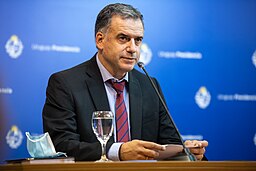
President Yamandu Orsi Intendencia de Montevideo, CC BY-SA 4.0 https://creativecommons.org/licenses/by-sa/4.0, via Wikimedia Commons By Jack Kolesar In January 2026, Uruguayan President Yamandú Orsi embarked on one of Montevideo's most ambitious diplomatic missions in decades. Orsi led a delegation of 150 to the Chinese cities of Beijing and Shanghai with aims of expanding trade, investment, and... Continue Reading →
Malians Struggle as Militia Imposes Fuel Blockade
By Abby Burczyk Since the end of October, Mali has been suffering from a widespread fuel blockade caused by a jihadist group. The fuel blockade has impacted nearly every aspect of life for Malians by forcing schools to close, impacting power supply to critical industries like healthcare, and resulting in food prices to dramatically surge.... Continue Reading →
“Capitalism for all” pledges Bolivia’s first non-leftist head of state in two decades
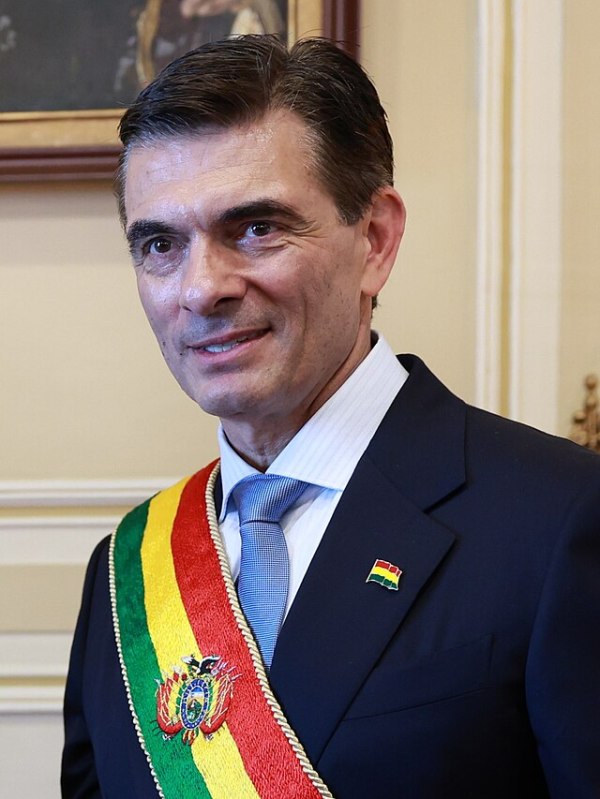
By Jack Kolesar In an October 19 runoff election across Bolivia, Rodrigo Paz Pereira was declared the next president of the South American nation. Paz, from the Christian Democratic Party, secured 54.6% of the vote over his opponent Jorge Quiroga.This victory signals a significant shift in the politics of Bolivia. Paz, a right-leaning centrist, will end... Continue Reading →
A Referendum on Reform: Chile’s 2025 Presidential Race
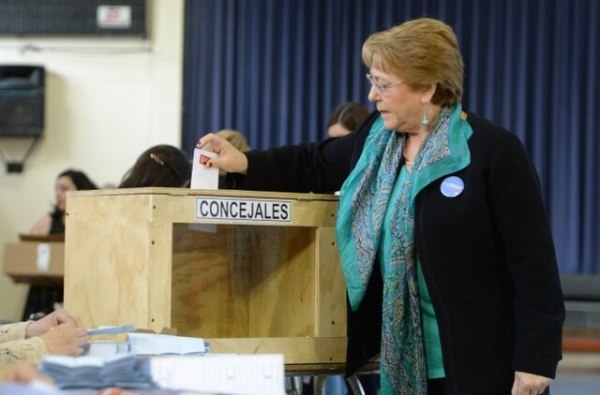
By Jack Kolesar On November 16, Chileans will head to the polls to vote for their next president, the successor to Gabriel Boric. With Boric, head of state since his 2021 election, barred from seeking another term due to term limits, voters must choose between a continued leftist government or a shift to a right-wing... Continue Reading →
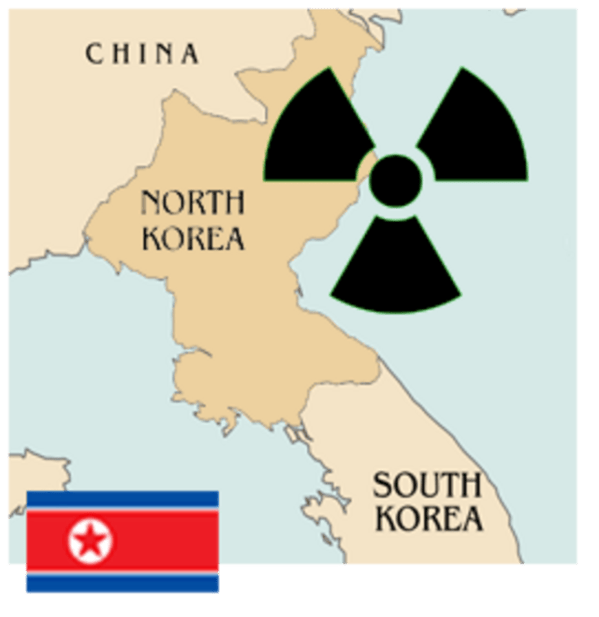
North Korea Becomes Latest Country to Restart Nuclear Threats
By Sam Dantzler North Korea has reengaged in nuclear saber rattling over the last few weeks with missile launches into its eastern waters, artillery flashes near disputed zones, and South Korean intelligence warning of North Korean nuclear sites being reactivated on short notice. None of this is happening in a vacuum. The global conversation around nuclear... Continue Reading →
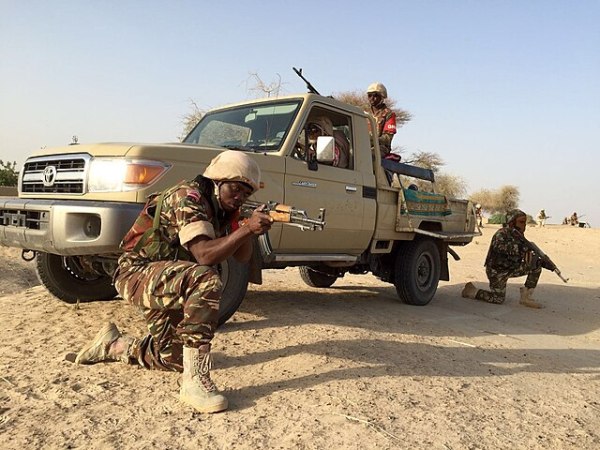
Washington’s Warnings, Nigeria’s Wars
By Madelyn Williams Due to the increased unrest in Nigeria, Christian groups have labeled attacks as religious persecution to the point of genocide. US politicians have condemned Nigeria for allowing the murder of Christians to continue. This has culminated to Trump issuing a fresh round of threats against Nigeria, calling upon the Department of War... Continue Reading →
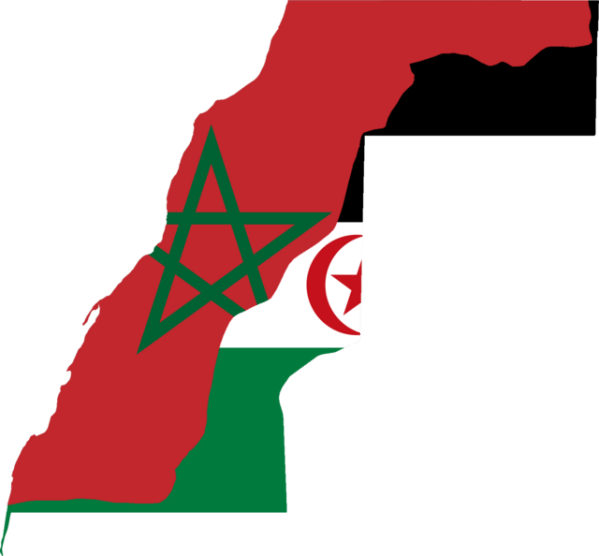
The UN Continues to Debate the Sovereignty of Western Sahara
By Abby Burczyk On October 31, the United Nations Security Council backed a resolution for Western Sahara to maintain autonomy under Moroccan rule. Though Morocco has presented similar resolutions to develop governmental systems for Western Sahara since 2007, the most recent resolution was written by the United States. The Trump administration has been very supportive of... Continue Reading →
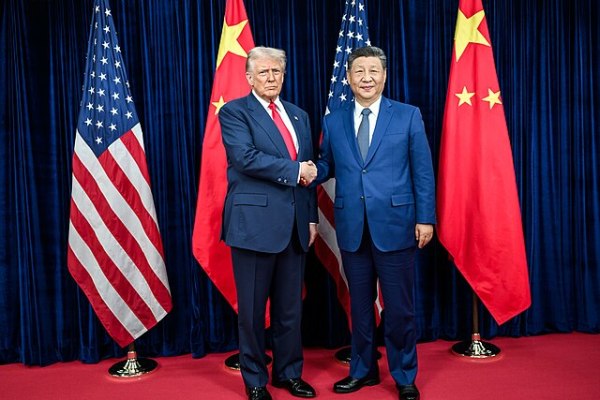
Trump, Xi, and Managing Competition
By Sam Dantzler Last week’s Trump-Xi meeting in South Koreas was one of those diplomatic moments where the vibes and the substance didn’t totally match, but both administrations pretended they did. Both sides seemed to have a positive response and agreed that relations were headed in a more “stable” direction. Compared to the icy standoff... Continue Reading →