
By Abby Burczyk
Each fall, the Patterson School of Diplomacy and International Commerce hosts a conference to bring together international affairs experts in the heart of Kentucky. This year, instead of focusing on a regional issue, the Patterson School faculty chose to invite experts on an issue that is emerging across all corners of the world: authoritarianism. While history is no stranger to the rise and fall of autocracy, new developments in technology and global attitudes are changing how authoritarians gain and maintain control.
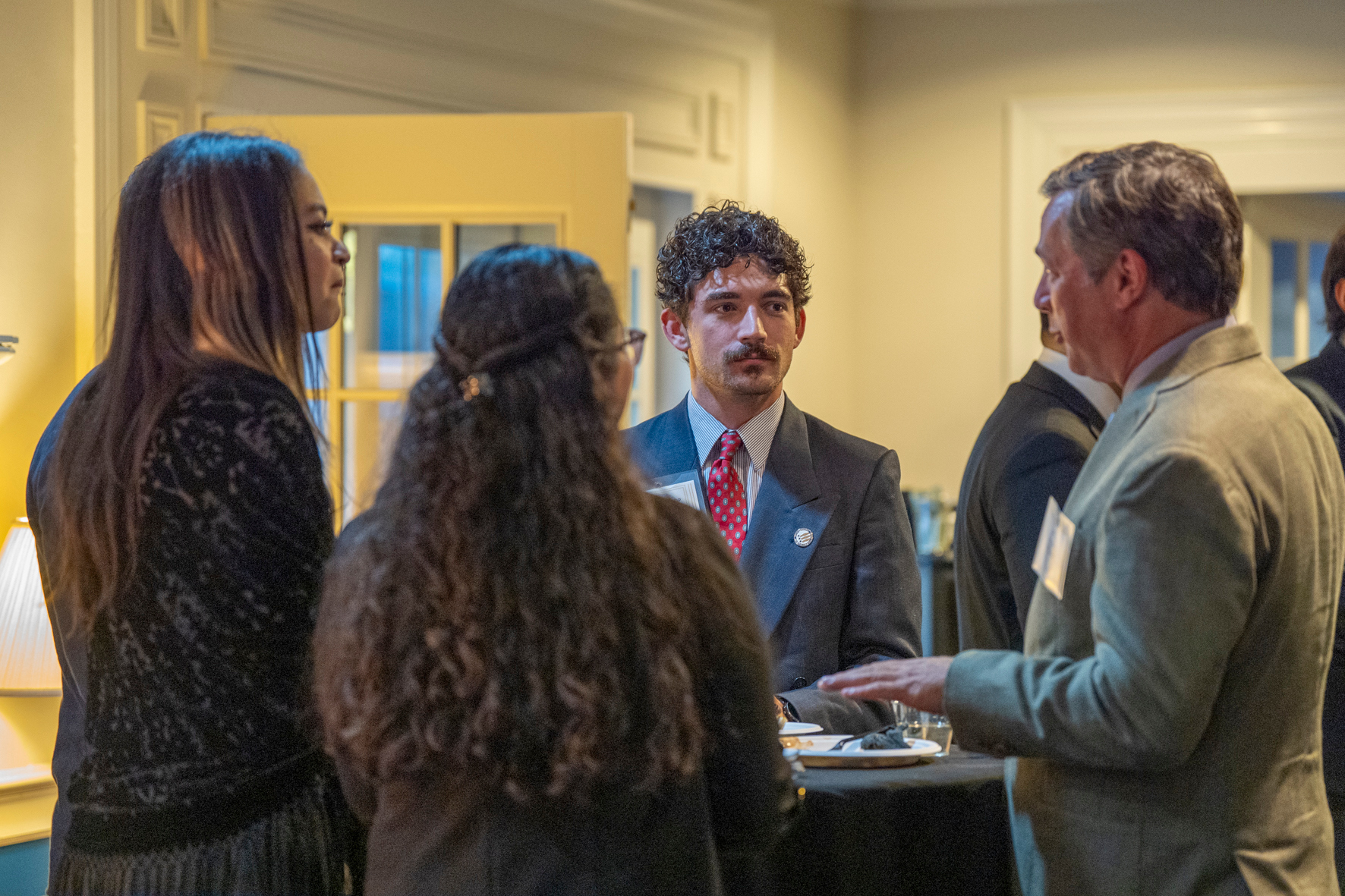
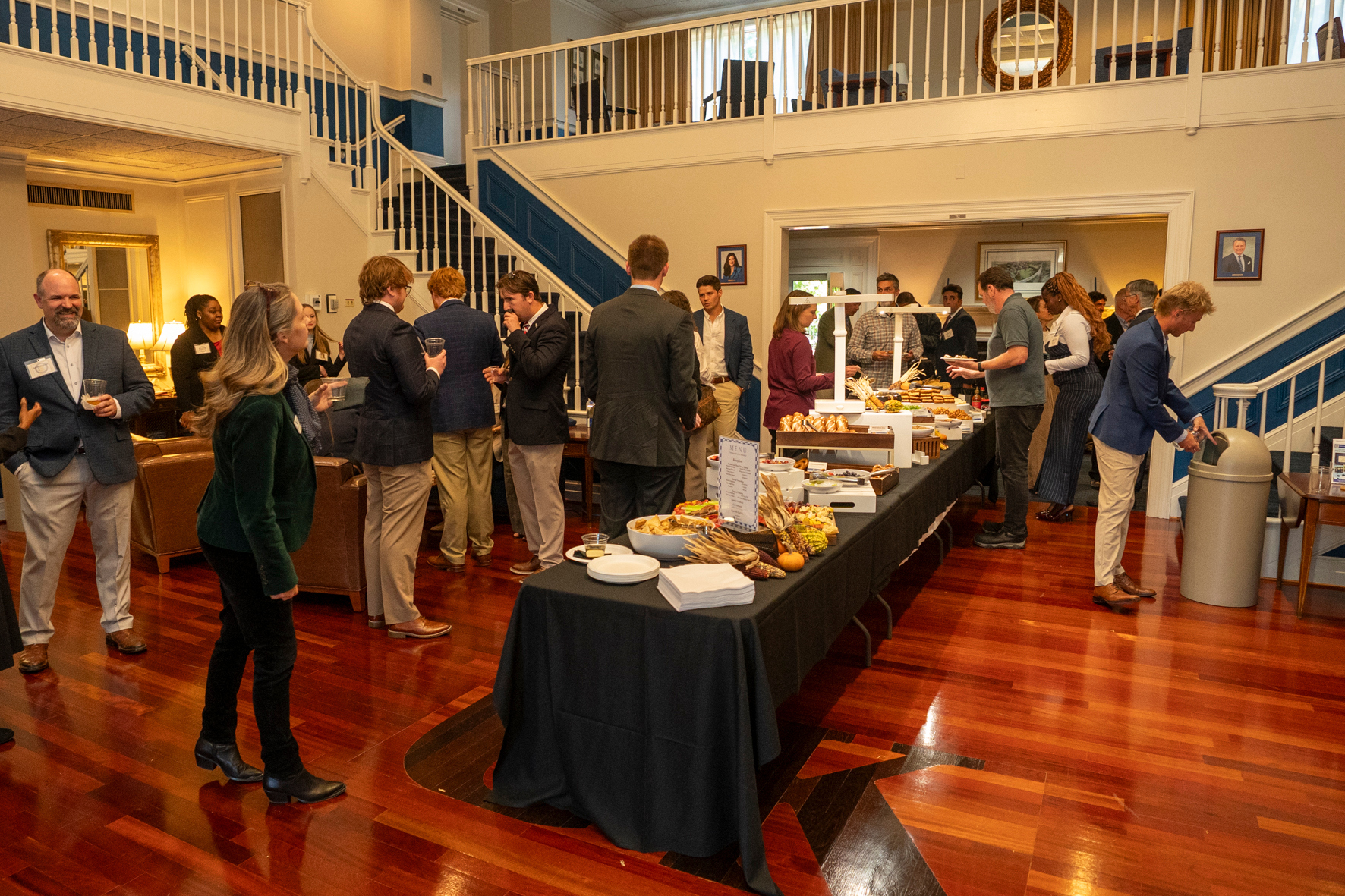
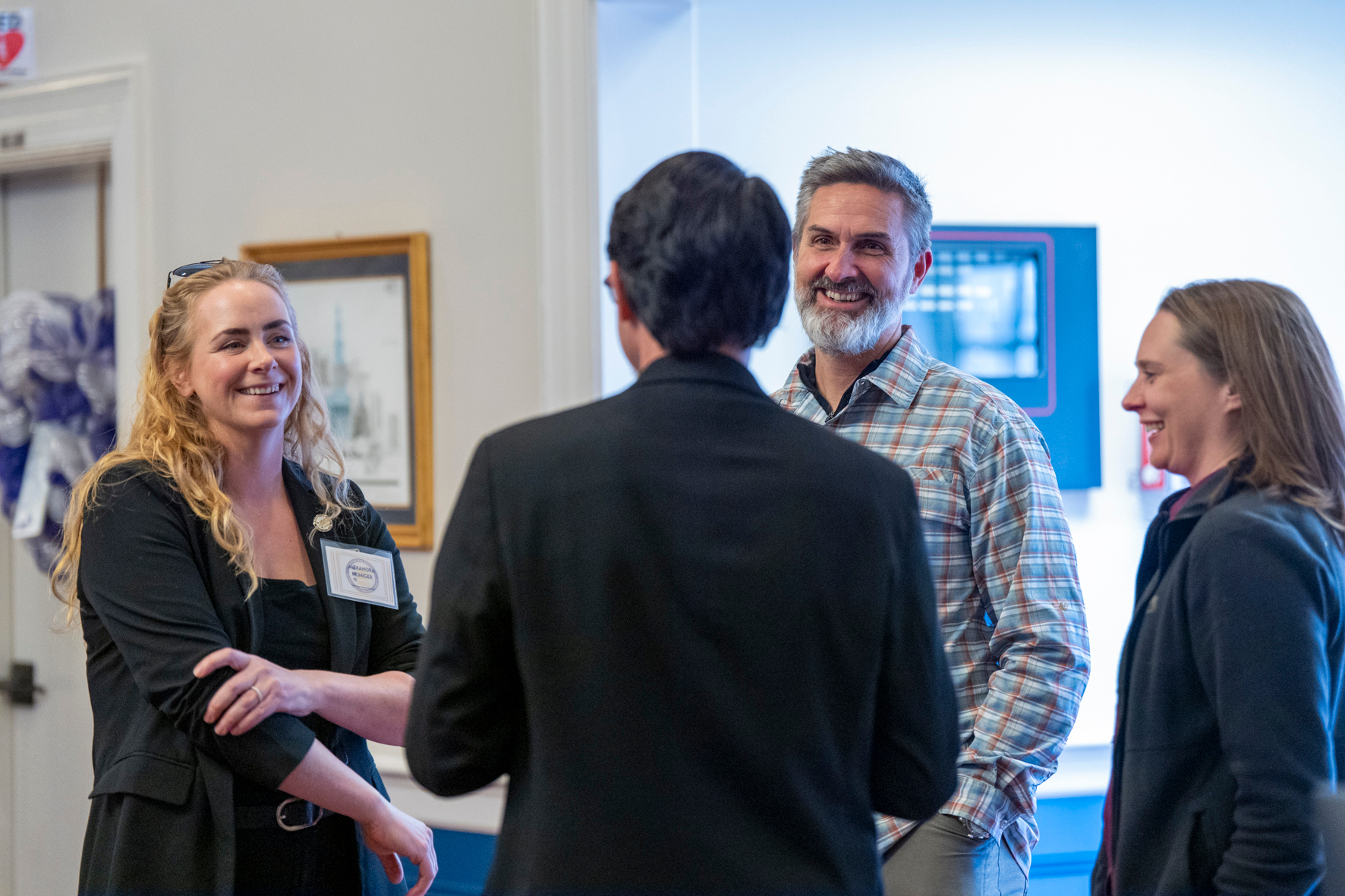
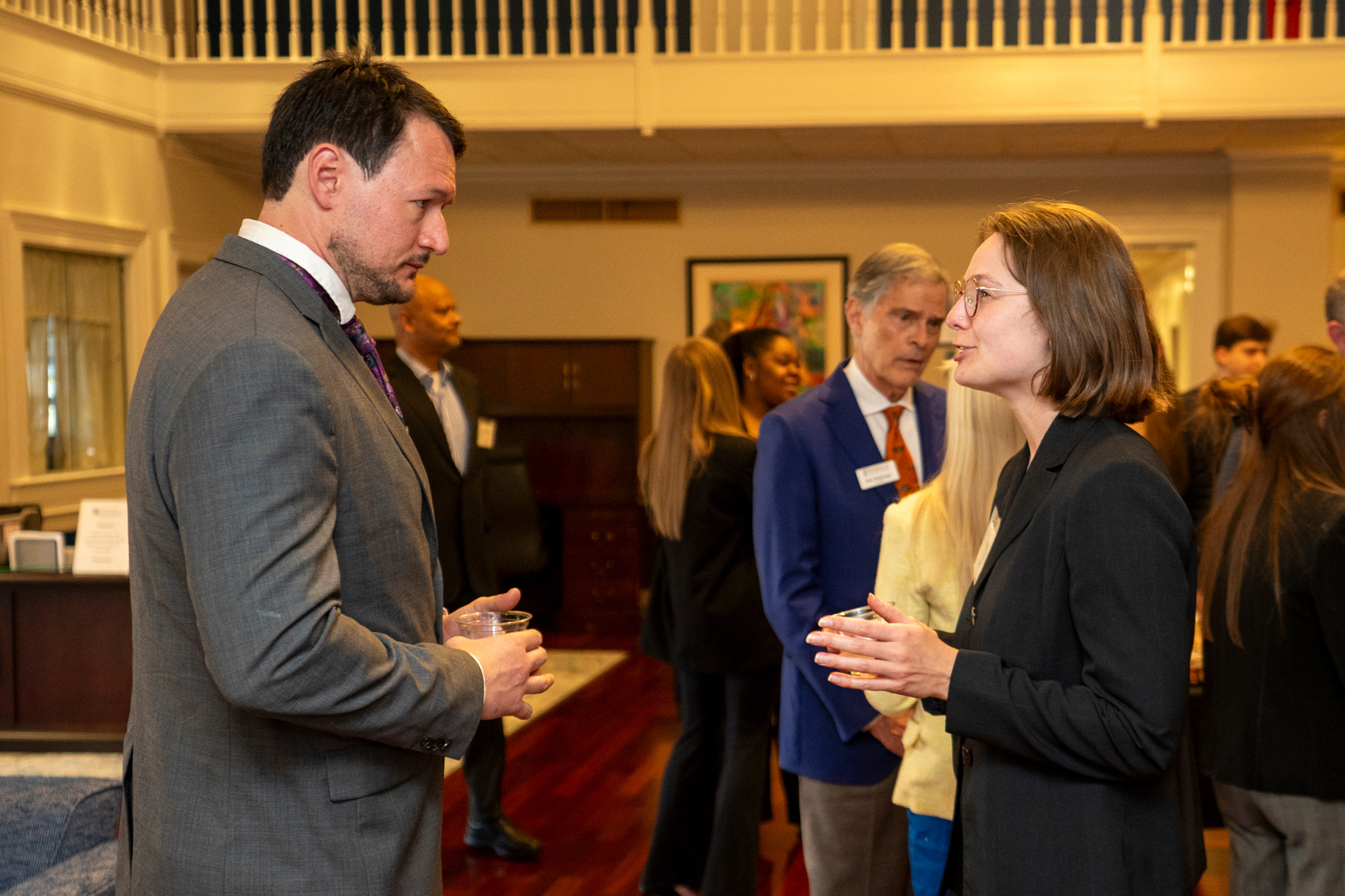
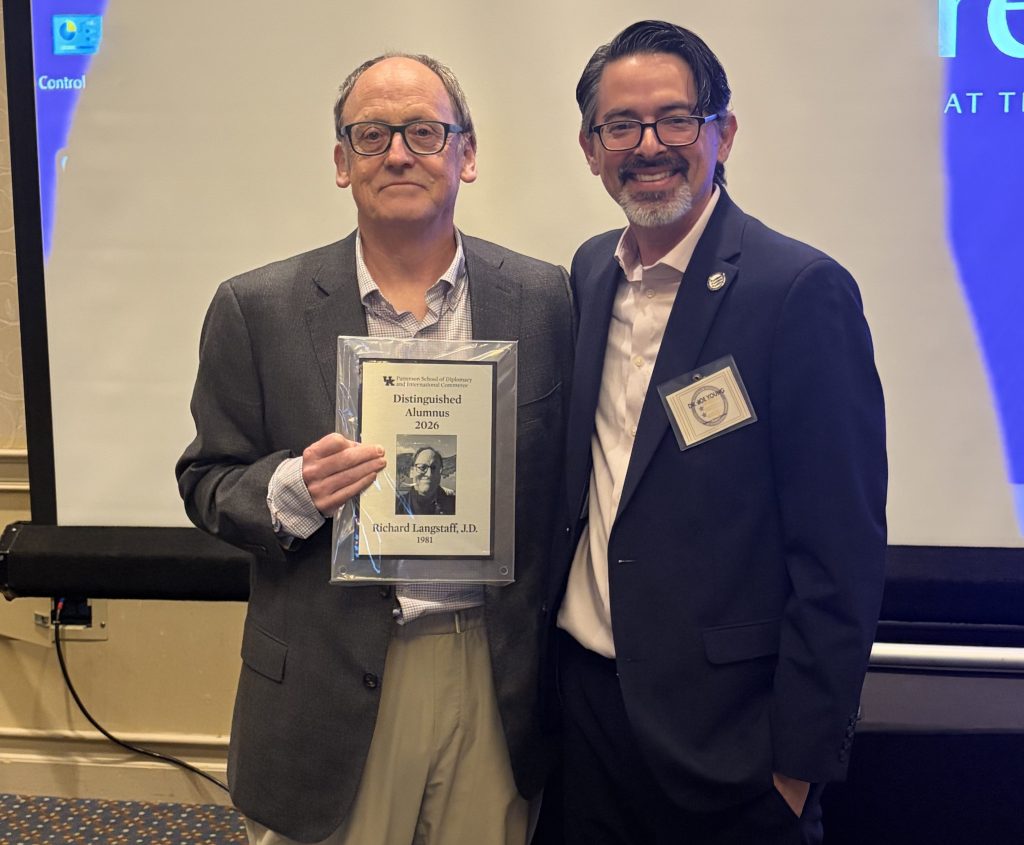
The conference started off with a welcome reception where students were given the opportunity to engage with invited speakers and the visiting Board of Advisors. As part of the conference, Director Joe Young recognized Board of Advisors member Richard Langstaff ’81 as a Distinguished Alumnus for 2026. Langstaff, who spoke on the Commerce panel, has worked in various investment banking roles, but for most of his career developed and managed financial service companies across the world.
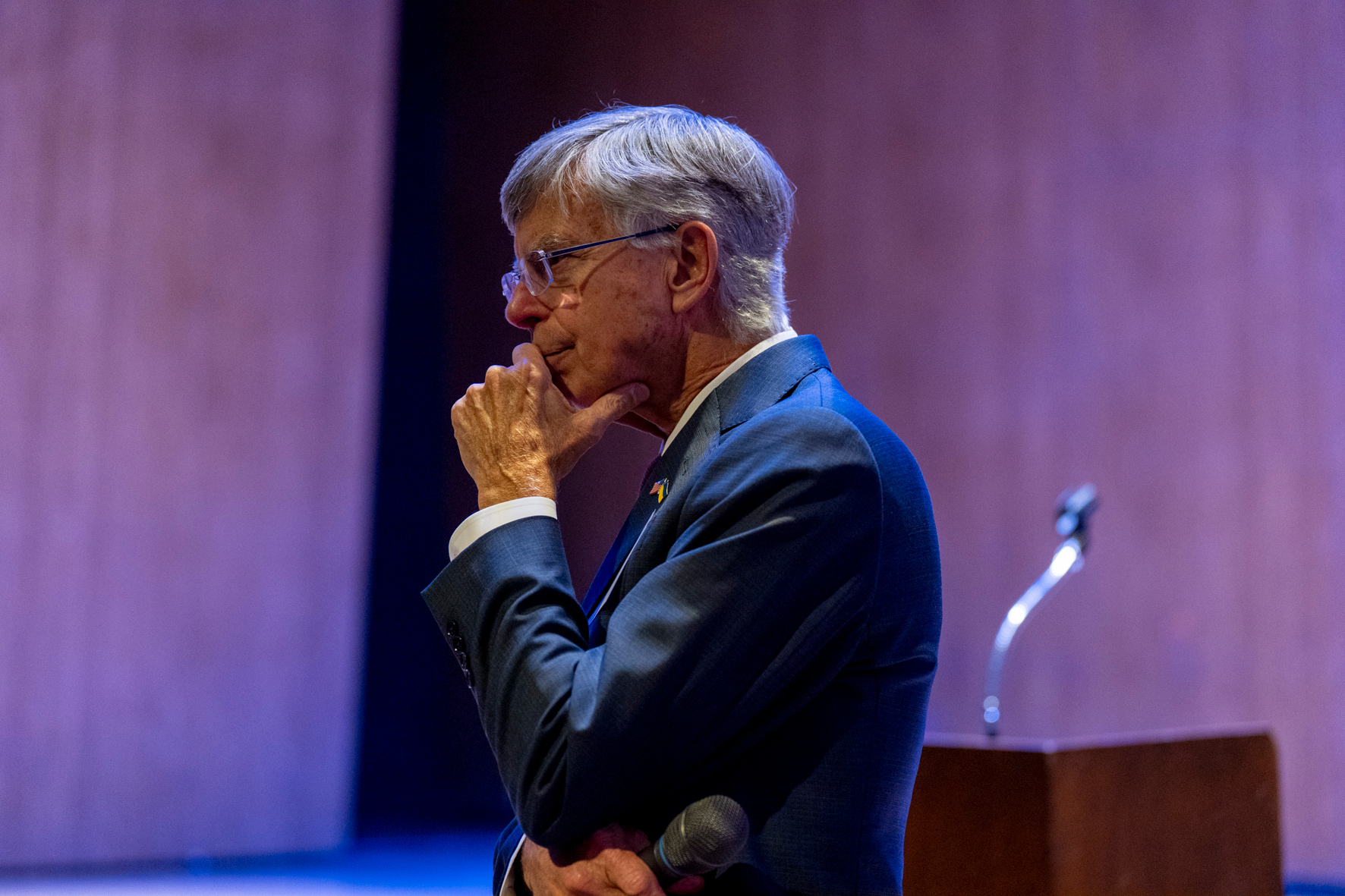
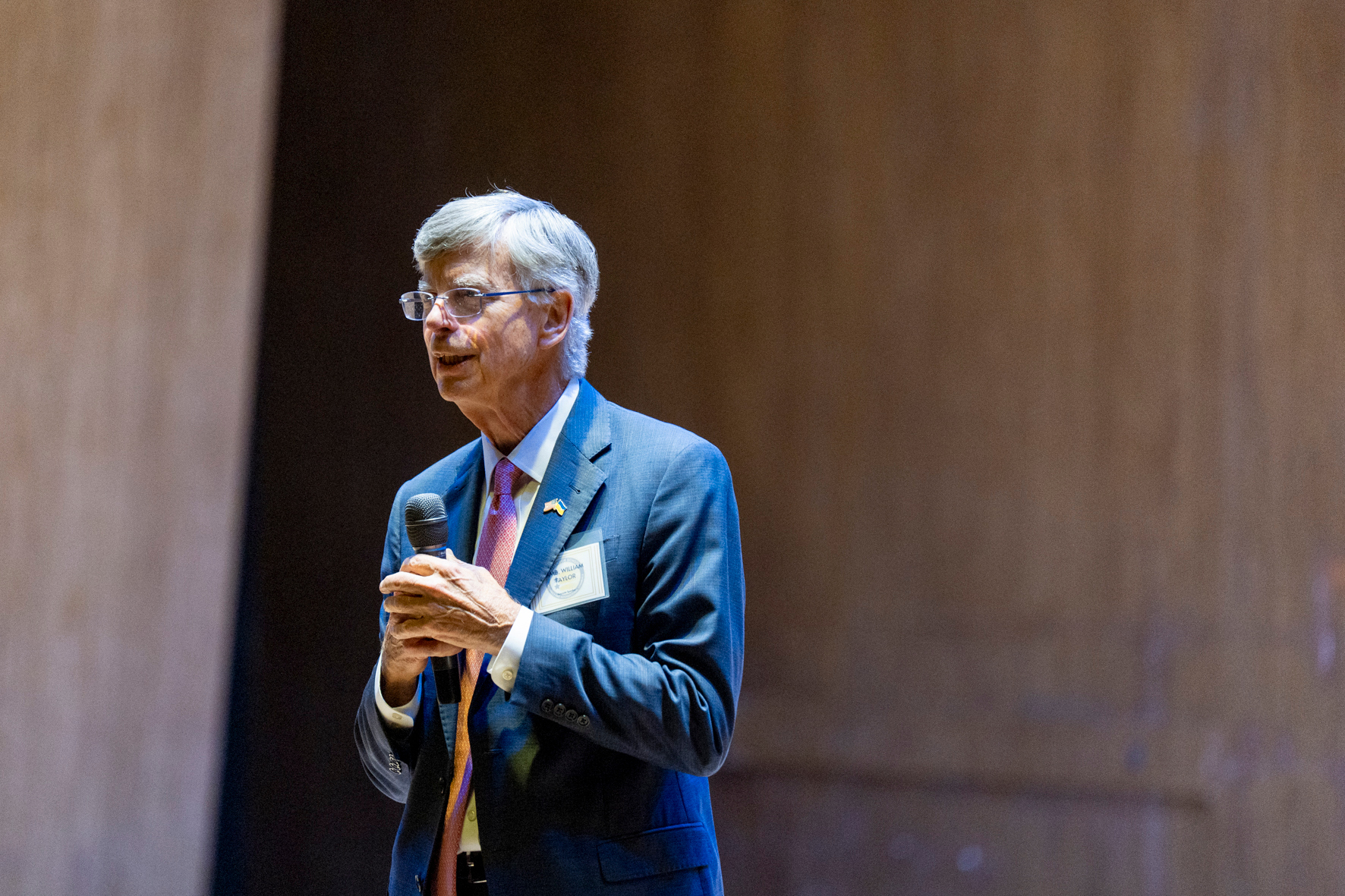
The Patterson School was honored to welcome Ambassador William B. Taylor as the keynote speaker of the conference. Ambassador Taylor previously served as the Ambassador to Ukraine during the G.W. Bush and Obama Administrations. During his speech, he discussed authoritarianism in the context of the Russia-Ukraine war.
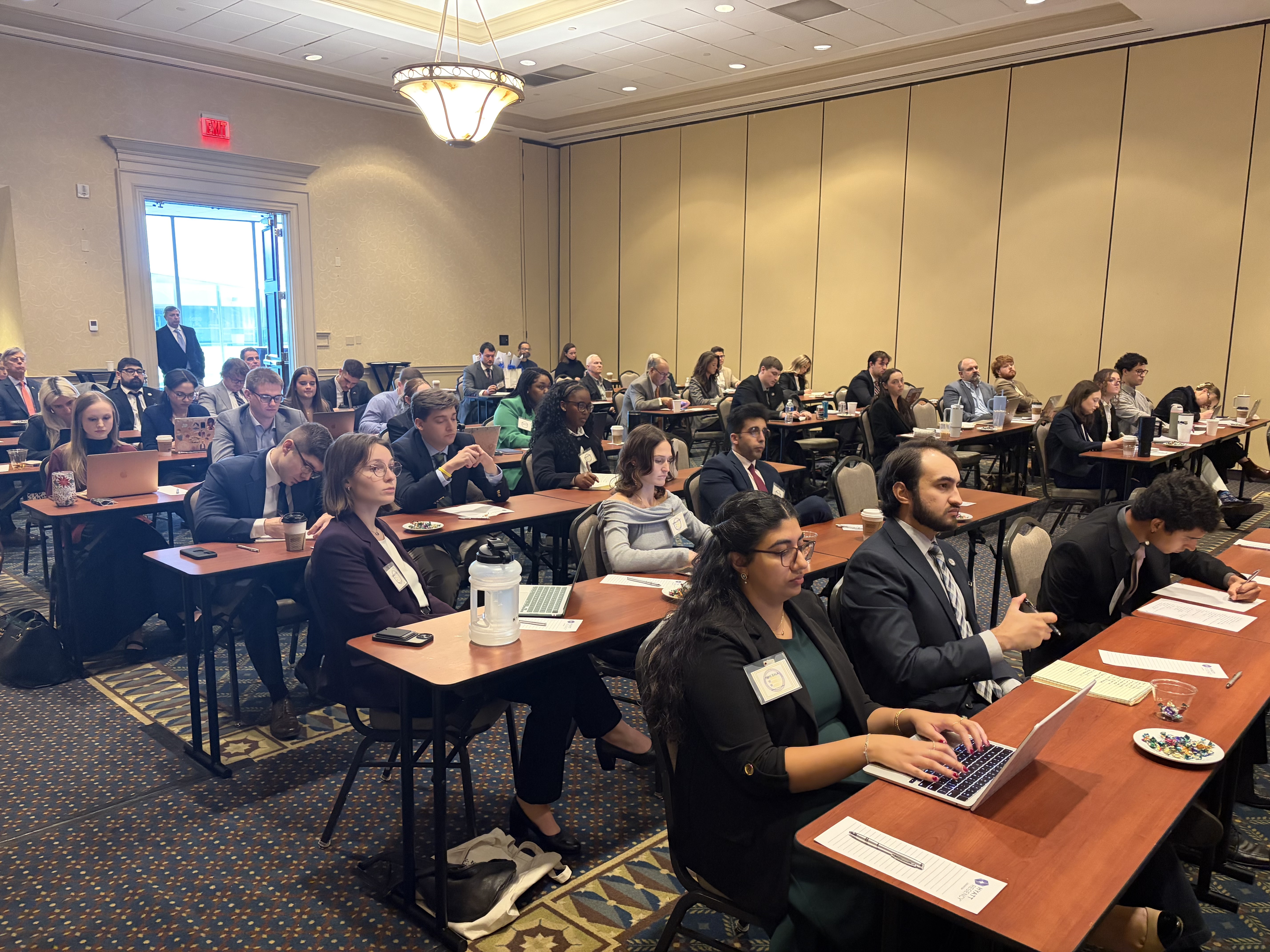
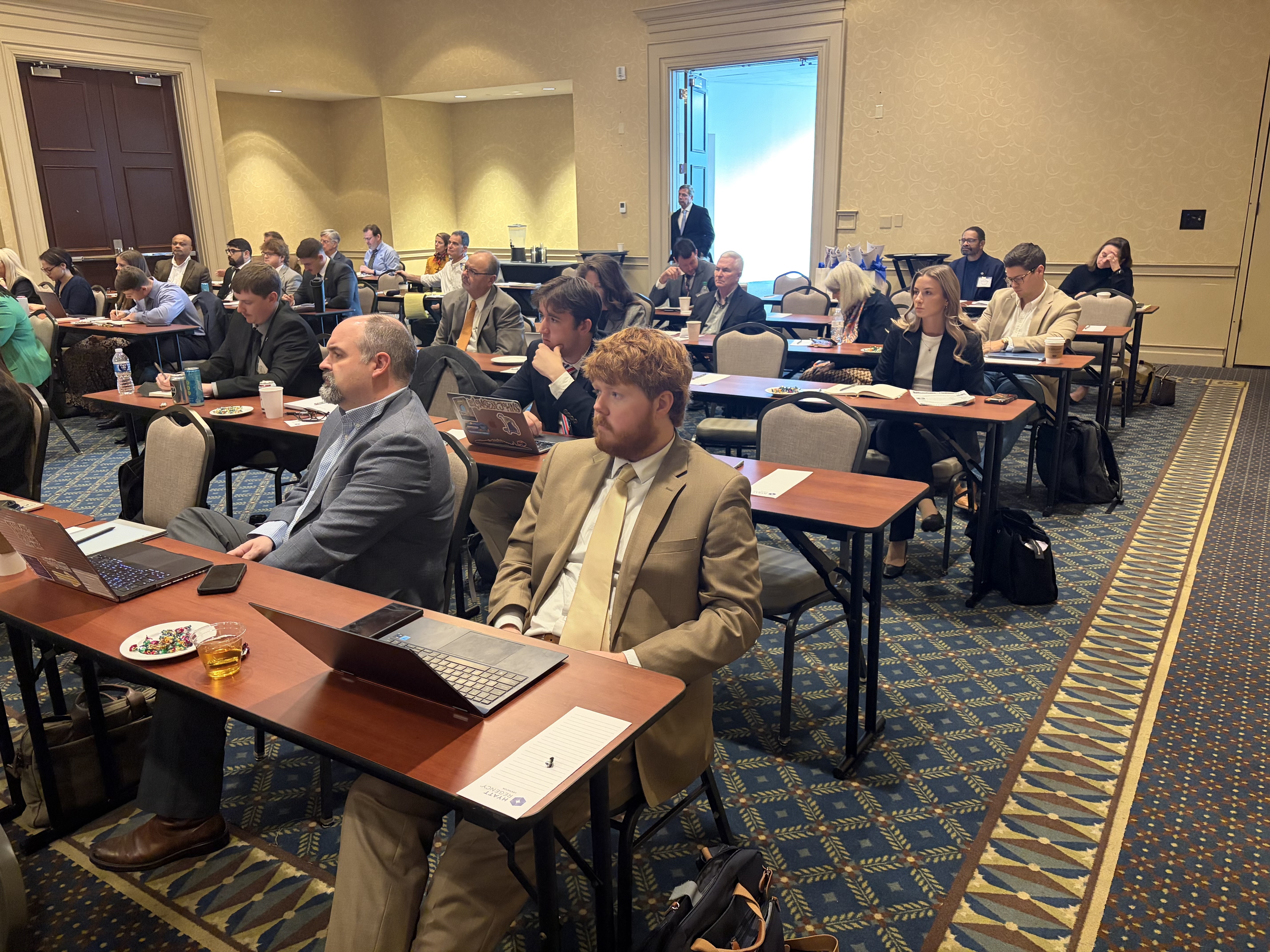
The following day, the conference continued with panels on commerce, development, security, and diplomacy. Throughout each of the four panels, experts raised concerns over reemerging themes such as falsified elections and coups. New to the discussion of autocracy is the presence of technology and AI to control and monitor individuals and opposition groups. While the world is still exploring the capabilities of AI, it is clear that experts in international affairs are cautious of its widespread use.
While the topics of the conference were not to be taken lightly, attendees did not leave the conference in defeat. The presentations were to act as a charge in protecting civil liberties and human rights across the world.


Leave a Reply