
The White House, Public domain, via Wikimedia Commons

By Bella Butler
As folks rush to the voting polls this week to civically engage in midterm elections, environment and climate may be low on voters’ minds. Here in Kentucky, voters are likely thinking of memorable U.S. Senate campaigns, and nationwide congressional campaigns have flooded the media. Additionally, recent polling shows top issues for U.S. voters going into midterms are economic concerns, healthcare, and the war in Iran. However, while hot-button issues and flashy campaigns stay relevant in the public eye, climate and environmental issues continue to escalate, and midterm elections have the ability to help or hurt these concerns.
The Past Weeks in The U.S. Environment
While climate concerns are a long-standing issue in the U.S., as the average annual temperature has increased 2.6 °F more than the 20th-century average and as there were 8.18 times more U.S. billion-dollar weather and climate disasters in 2024 compared to the yearly average of the 1980s, these issues are still ever present. It’s important to note that climate news emerges daily in the U.S. despite allocated screen time.
Recently, two separate reports have been released stating lasting environmental effects from early 21st-century events. The first study concluded that since the 2010 Deepwater Horizon (BP oil) explosion, the number of marine animals living in the area’s “twilight zone” has dropped about 60%. Animals that inhabit this part of the ocean include dolphins, whales, octopuses, shrimp, and, of course, fish. Researchers mentioned in the hyperlinked article urged that this damage be kept in mind during talks of increased oil drilling; Notably, in the U.S.’s “drill, baby, drill” era.
The second reporting showed previously undisclosed documents alluding that New York City officials knew about the effects 9/11 had on the city’s air quality long before it was acknowledged. While locals to the destroyed World Trade Center were assured that the air was safe by officials, internal data contradicted these claims. Data shows that the air repeatedly tested positive for toxins including asbestos.
On the opposite side of the country, El Niño continues to have devastating effects. This week, California’s tides reached record highs, and they are projected to continue rising. Californian infrastructure has been impacted, from San Franciscan office workers’ daily coffee pickups being affected by flooded sidewalks and streets, to a Long Beach food truck operator having to change locations due to high surf crashing into homes and preventing folks from going to the beach. Despite this, experts warn that tides will only grow higher as winter approaches.
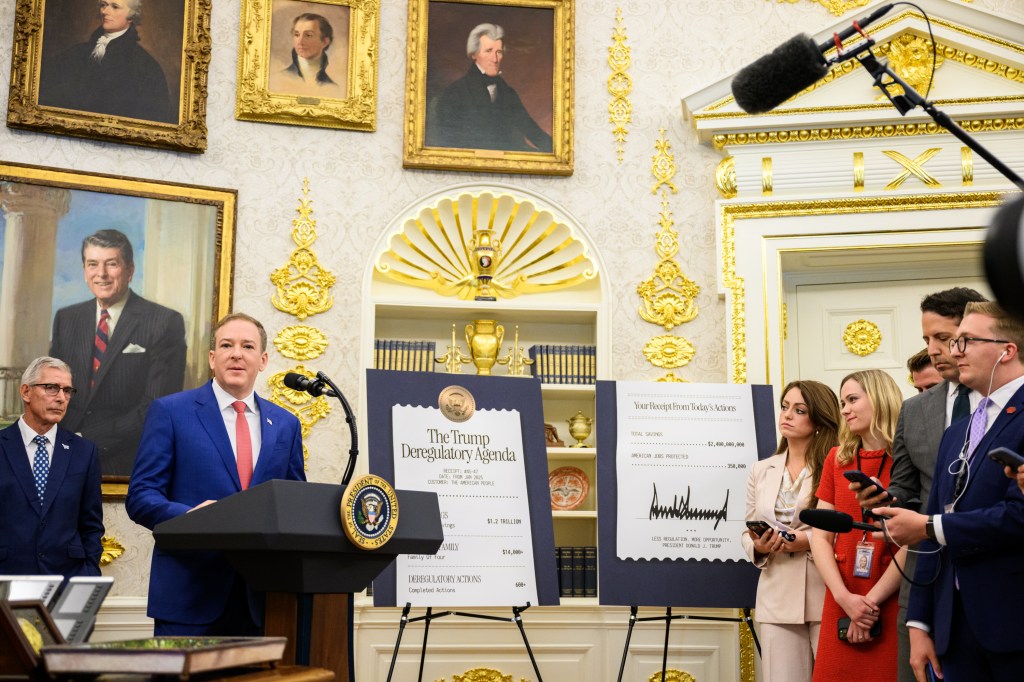
A final notable event is that at a campaign rally in Lubbock, Texas, Donald Trump claimed Biden-era methane emission rules were “expensive and unnecessary” as he detailed his plan to weaken these policies for oil firms. This comes after they already delayed the onset of this 2023 ruling, and after E.P.A. administrator Lee Zeldin stated, “President Trump promised to end the war on oil and natural gas.” After Trump announced his plans, Zeldin’s EPA also proposed relaxing methane emission reduction requirements for 7% of the U.S.’s oil and gas wells.
Midterm Elections Climate Impact
While climate issues are not directly on every 2026 midterm ballot, what’s on these ballots – or, rather, who’s on these ballots – can be indicators to major climate concerns. When it comes to selecting which candidate to vote for, Yale’s YPCCC found that many registered voters say “global warming is a very important issue in their voting decisions” and most say they “would prefer to vote for a candidate who supports action on global warming”. Candidates’ stances on AI data centers are also expected to shape 2026 midterm elections, as Americans worry about how environmental impacts may impair their health. Finally, depending on the results of 12 gubernatorial races and several dozen state legislative races, potential Democratic trifectas could allow for the advancement of climate policy.
Voter Priorities
While issues like the Iranian war, the economy, and healthcare are certainly important and affect Americans’ livelihoods daily, midterms have the ability to assess voters’ focus on immediate versus longstanding issues. Recent events show that environmental decisions related to industrial regulation, natural disasters, public health, etc. have consequences that can extend beyond administrations. As Americans head to the polls this week, we vote not only for what captivates our attention today, but also for what will continue to affect us well past November third.


Leave a Reply