

By Mia Durham
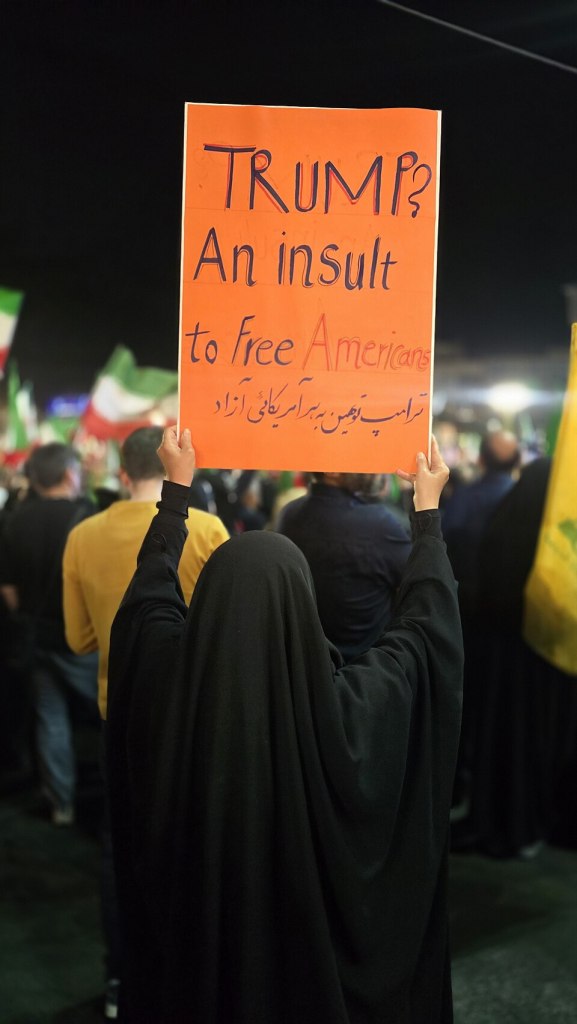
Last month, President Donald Trump pledged that the United States would not launch new strikes on Iran before the November 3rd midterm elections. Yet on the eve of the vote, U.S. forces carried out what officials described as limited, defensive strikes on Iranian targets in the Strait of Hormuz. Significantly, the United States officials have begun warning Middle Eastern allies to prepare for a renewed military campaign against Iran along with anticipation of Iran’s retaliation. Qatari officials, with support from Vice President J.D. Vance, are attempting a diplomatic push to avoid further military actions amidst the conflicting signals that are coming from Washington. These efforts and movements are coming at a consequential time for U.S. politics, with Trump’s approval rating sitting at 36%, reflecting in part to American voter concerns about rising prices as a result of the war with Iran. The results of the midterms and negotiations could have major implications on how the President moves forward with the rest of the conflict. These results could bring into question whether the United States will engage in Qatar’s diplomatic efforts or whether the U.S. will enter a new round of escalation.
Push for Diplomacy
With Trump’s deadline for increased possible escalation approaching, regional mediators are scrambling to secure some sort of diplomatic deal to prevent further kinetic action. These efforts follow a peace attempt in mid-June, which was signed by both Trump and Iranian President Masoud Pezeshkian. This was a 14 point U.S.-Iran Memorandum of Understanding mediated by Pakistan which was supposed to halt the fighting for 60 days. The agreement pretty quickly fell apart due to disagreements over implementations over control of the Strait of Hormuz, and military action resumed shortly after.
The current diplomatic push comes as Vance and the secretary of Iran’s Supreme National Council, Mohsen Rezaei, were in communication last week outlining the main interest of each nation, coming into possible negotiation. Trump had previously said that “we are not negotiating with them” and then hinted at further attacks, but Trump approved Vance’s proposal for a last minute negotiation effort mediated by Qatari officials. Iranian and Qatari representatives were in Doha Sunday on their third day of talks with supposed progress but no final conclusion. Regional allies are concerned with President Trump’s threats as Iran has promised retaliation on US bases in their respective countries. Iranian state media the future of U.S. and Iranian relations depends on the United States’ “political rationality”, while Trump has made the removal of Iran’s nuclear program his national priority.
How will the results of the U.S. midterms affect the result of the Iran war?
Currently polls are favoring a Democratic flip in the House of Representatives and a possible flip from Republican control to Democratic control in the Senate. This could have many differing implications for the Iran war. The first result of democratic control over the house could be that not much changes. It is a lengthy and difficult process to overturn a presidential veto as they need two-thirds majority in both chambers. There will certainly be efforts to restrict military operations but Trump will remain commander in chief and the most consequential decisions regarding the war will remain in his control. Another possible avenue that could occur would be Democrats constraining the war with funding. While this would represent new Democratic nominees’ campaign promises, Iran remains a danger to the U.S. and arguably a bigger one than it has been in previous decades. However we should expect to see Democrats, if they win the midterms, to use war powers resolution votes, participate in oversight hearings, and a possible impeachment of a cabinet member to pressure the administration to end the war. A flip in both the House and the Senate could also result in the GOP moving away from support of the war and possibly away from the Trump administration. Finally, Trump and Republicans fear backlash with increased military action in Iran, especially with the war being as unpopular as it is in the eyes of the Americans. If President Trump loses the House and Senate to the Democrats it would not be out of the realm of possibility to see him increase escalation in an effort to show his administration’s use of military power. In the coming weeks, there will be new opportunities for both diplomacy and escalation, but with the new Congress not beginning their term until January, the most consequential decisions could come before they have any chance to act.


Leave a Reply