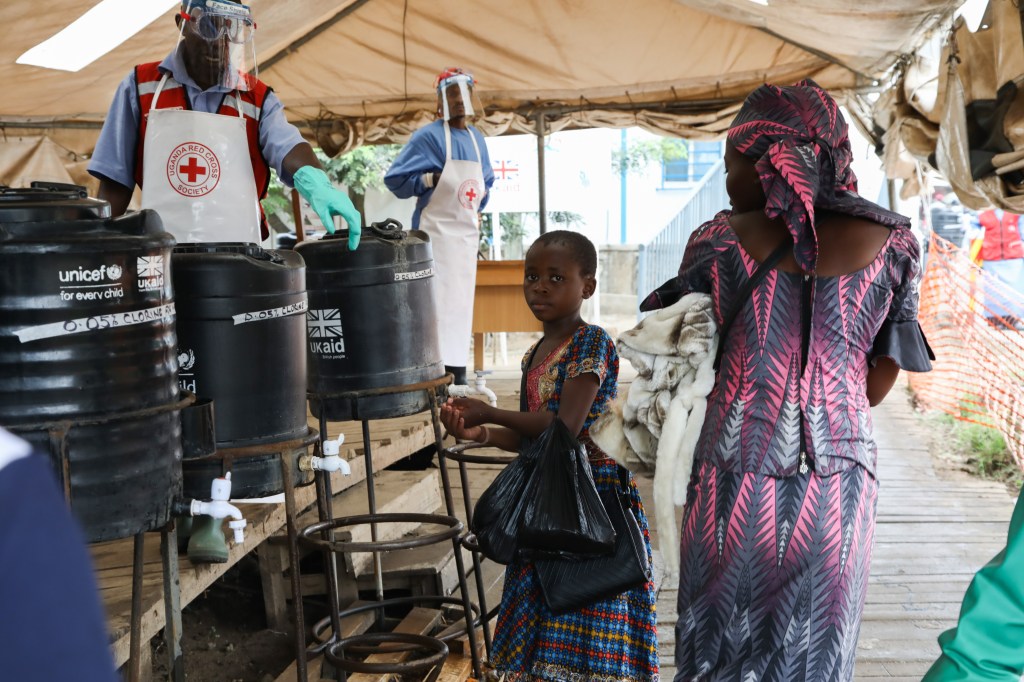
DFID – UK Department for International Development, CC BY 2.0, via Wikimedia Commons

By Brooke Bihl
Six months into an Ebola outbreak throughout the Democratic Republic of Congo (DRC), the virus shows no signs of slowing down as death rates rise at a record pace. The rare variant affecting the region, named Bundibugyo, is already recorded as the second-largest Ebola outbreak globally, causing over 11,000 infections and 5,000 deaths since its emergence in May. Spreading across seven different provinces in the DRC, the situation is only inflating as infection rates have more than doubled since the outbreak began. This growing crisis has been exacerbated by not only the country’s weak healthcare system, but also poverty, ongoing conflict, and corrupt governance. One of the most affected regions is the Ituri Province, which is located within the northeast region of the country and remains an integral area for mining projects. This area has particularly faced growing infection rates due to close quarters and increased disease transmission, as more than 65 percent of deaths have occurred outside of healthcare facilities. The African continent remains tightly intertwined with the historical impacts of Ebola, as an outbreak in the western part of the continent during 2014-2016 killed over 11,000 people, while another impact on the DRC in 2018-2020 killed nearly 2,500 people. So far, this marks the 17th outbreak of the deadly virus within the DRC, projecting the institutional insecurity held within the country and around central Africa.
Effects on Other Countries
The World Health Organization (WHO) has most recently announced the outbreak within the DRC as a public health emergency of international concern, calling for broader containment efforts around the region. “We call for the cooperation of all governments and all partners to scale up the response further, and raise the resources needed to protect communities over the coming months,” WHO Director-General Tedros Adhanom Ghebreyesus said in a post on X. In addition to growing infection rates throughout a majority of the DRC, the virus has made substantial impacts, spreading to neighboring countries such as Uganda, Kenya, and Nigeria. Kenyan health officials recorded the country’s first case in early October, when a Kenyan man returned from the DRC and tested positive, later dying from the disease. Nine others within the country contracted the virus, with five fully recovered and two still receiving treatment, allowing the state to begin a 42-day countdown to declaring itself Ebola-free. The disease has also expanded beyond African borders, as cases within several European countries such as the United Kingdom, Switzerland, and France have reported positive infections after individuals returned to Europe from the DRC.
Efforts to Curb Spread
As an illness caused by a group of related viruses, Ebola stems from orthoebolaviruses, which are carried through fruit bats that are not sickened by the illness. Most commonly, people can contract Ebola through contact with the bodily fluids of an infected, sick, or dead person, or with contaminated objects such as bedding, clothing, needles, or medical equipment. Four of the six known strains of Ebola can be fatal to humans, with early symptoms including fever, aches, pains, and fatigue before progressing to more serious effects, such as hemorrhagic fever.
According to the director-general of the Africa Centres for Disease Control and Prevention (Africa CDC), Jean Kaseya, international aid to the country has been “a collective failure”, and calls for greater coordination. Since the initial outbreak, only $1.3 billion of the nearly $3 billion pledged has been released, creating ripple effects to delayed detection, containment, and strained healthcare services. This delay in funding and inability to reach critical areas has exacerbated the effective administration of treatment, as several health workers in eastern DRC have gone on strike after not receiving any payment for months. In addition to these effects, many health facilities still do not have access to reliable water, electricity, sterilization, or waste disposal systems, portraying the limited effects a majority of these clinics can accomplish due to the lack of basic infrastructure.
Despite these setbacks, health workers at these centers are continuing to take measurable steps to expand the network of treatment, including intravenous and oral rehydration to replace fluid loss. While there are currently no approved vaccines or specific treatments for the Bundibugyo strain, the WHO is preparing to introduce two new experimental vaccines designed to specifically fight this strain. Phase 1, which assesses the vaccines’ safety and initial immune response, has already been completed, with researchers planning to begin Phase 2 later this month. Meanwhile, additional protections have been taken, such as broad travel restrictions to the area and the administration of a vaccine approved against an alternative Ebola strain to thousands, with CDC evidence suggesting it may provide cross-protection. Ultimately, ongoing setbacks such as a struggling healthcare system and armed conflict threaten to upend positive efforts. Therefore, coordination within the central African region and broader global health system is imperative to create long-standing prevention and eradication of the virus.


Leave a Reply